

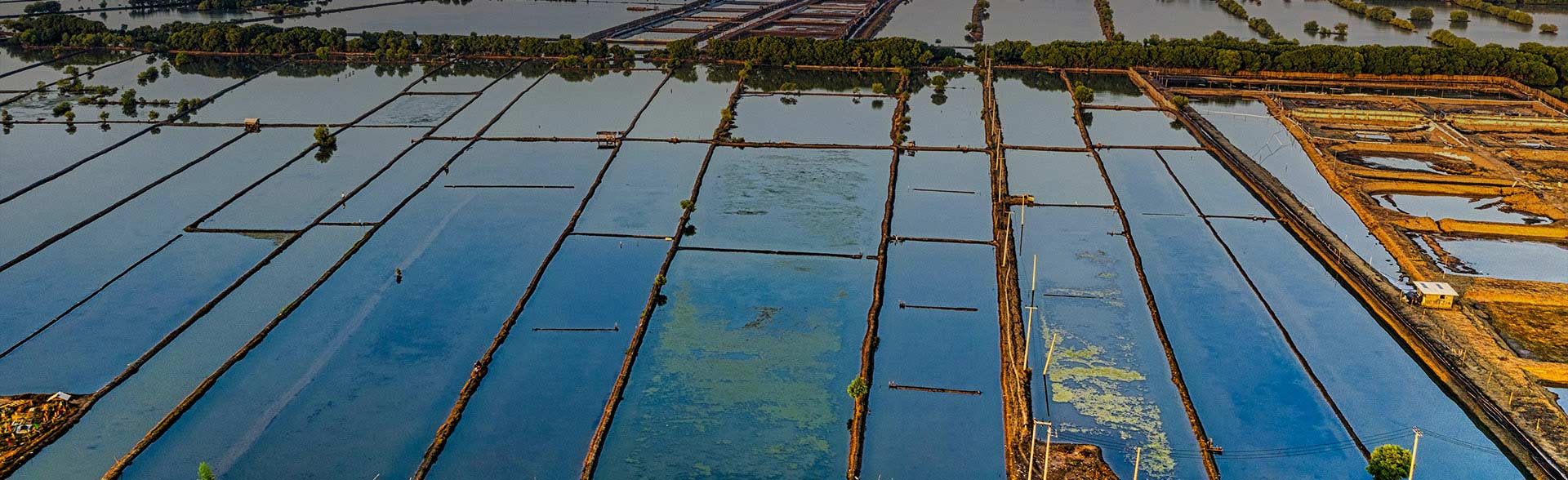
Ozone in Aquaculture: A Powerful Tool for Water Quality Management
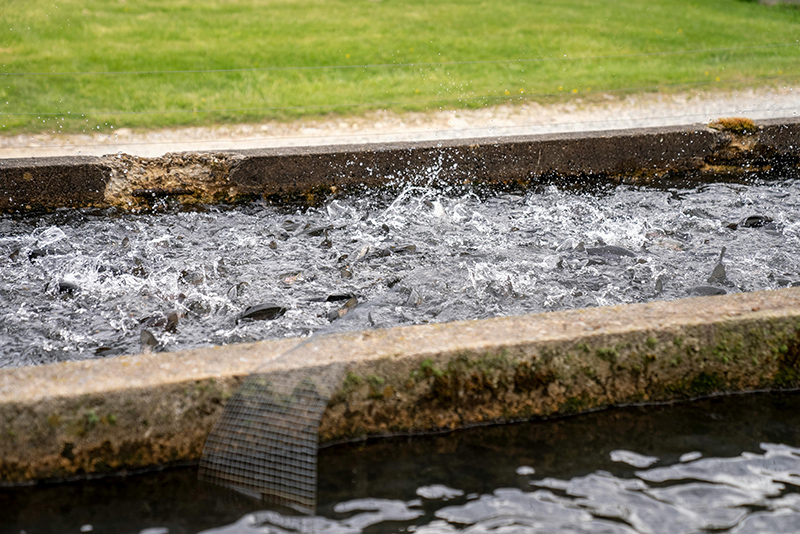
Maintaining optimal water quality is paramount for the health, growth, and survival of aquatic species in aquaculture. Among the advanced technologies employed, ozone (O₃) stands out as a highly effective oxidizing agent offering significant benefits for intensive and recirculating aquaculture systems (RAS). Its application, however, requires careful understanding and precise management.
Core Functions and Benefits:
Effective Disinfection: Ozone is a potent biocide. It rapidly inactivates a broad spectrum of pathogens, including bacteria, viruses, fungi, and parasites, directly in the water column. This reduces the risk of disease outbreaks, potentially lessening reliance on therapeutic chemicals.
Organic Matter Oxidation: Ozone efficiently breaks down dissolved organic compounds (DOCs), including fish metabolites, uneaten feed, and excreta. This:
Improves Water Clarity: By oxidizing fine particles and colloids, ozone significantly enhances water transparency (reducing turbidity).
Reduces Biological Oxygen Demand (BOD): By mineralizing organic matter, ozone lowers the oxygen consumed by microbial decomposition, leaving more dissolved oxygen (DO) available for the cultured species.
Minimizes Sludge Formation: Enhanced oxidation can lead to more complete breakdown of waste, potentially reducing sludge buildup in biofilters and settlement tanks.
Nitrite Control: Ozone can oxidize toxic nitrite (NO₂⁻) to less toxic nitrate (NO₃⁻), providing an additional mechanism to manage this critical water quality parameter alongside biofiltration.
Elimination of Undesirable Compounds: Ozone effectively removes color, odor, and certain off-flavor compounds (like geosmin and 2-methylisoborneol - MIB) that can be absorbed by fish, improving product quality.
Improved Biofilter Efficiency: By reducing the load of fine organic particles and recalcitrant compounds entering the biofilter, ozone can help maintain better conditions for the nitrifying bacteria, potentially enhancing their performance and stability.
Oxidation of Inorganics: Ozone can oxidize reduced forms of metals like iron and manganese, facilitating their removal via filtration.
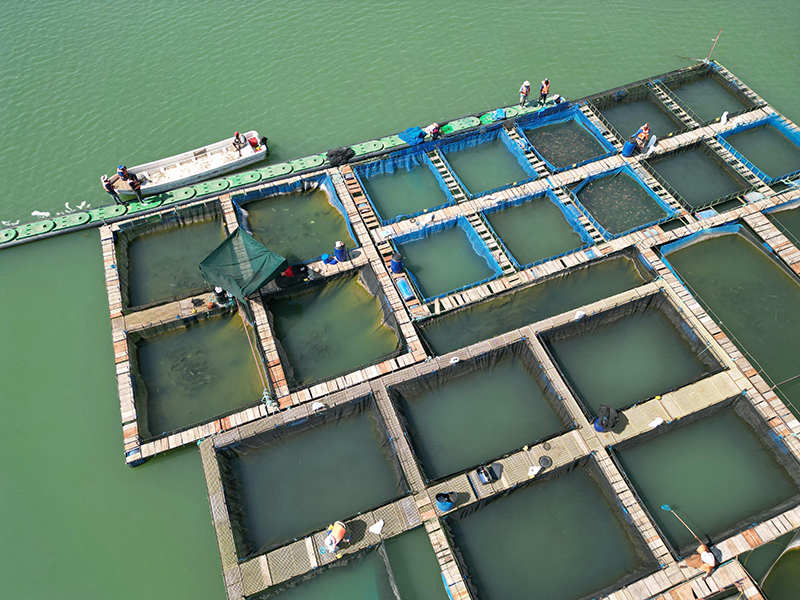
Critical Considerations for Safe and Effective Use:
Toxicity: Ozone is highly toxic to fish and other aquatic life at very low concentrations. Absolute priority must be given to ensuring no residual ozone contacts the culture stock. This is achieved through:
Controlled Application: Ozone is dosed into a dedicated contact chamber (ozone reaction vessel or ORV), separate from the main culture tanks.
Residual Destruction: Water exiting the contact chamber must pass through an ozone destruction unit (typically activated carbon filters or UV irradiation) to remove any residual ozone before it returns to the system or enters the biofilter/biofilter bypass.
Redundancy and Monitoring: Systems require redundant ozone detectors and strict control systems with alarms to immediately shut down ozone generation if unsafe conditions are detected. Continuous monitoring of Oxidation-Reduction Potential (ORP) is a common control parameter.
System Design: Ozone systems must be meticulously engineered. Key elements include properly sized ozone generators, efficient gas-liquid contactors (diffusers, venturis), adequate contact time in the ORV, reliable destruction units, and robust ORP/ozone monitoring and control systems. Materials must be ozone-resistant (e.g., stainless steel 316L, specific plastics like PVDF).
Byproduct Formation: Ozone oxidation can generate intermediate byproducts. While it effectively mineralizes many organics, the reaction with some bromide ions naturally present in water or salt can potentially lead to the formation of bromate, a compound of regulatory concern. Proper dosing control and system design minimize this risk. Monitoring bromate levels in marine systems is prudent.
Corrosion: Ozone is a strong oxidizing agent and can accelerate corrosion of non-resistant materials. Careful selection of construction materials for pipes, tanks, and fittings exposed to ozone is essential.
Operational Expertise: Operating an ozone system requires specific technical knowledge. Personnel must understand ozone safety protocols, system operation, troubleshooting, and maintenance procedures.
Capital and Operational Costs: Implementing an ozone system involves significant upfront investment (generator, contactor, destruction unit, monitoring/control) and ongoing operational costs (electricity, maintenance, potential carbon replacement).
Application Context:
Ozone is particularly well-suited for:
Intensive Recirculating Aquaculture Systems (RAS): Where maximizing water reuse and controlling water quality parameters within tight limits is critical.
Hatcheries and Larval Rearing: Where pathogen control and pristine water quality are essential for sensitive early life stages.
Systems with High Stocking Densities: Where organic loading and pathogen pressure are elevated.
Situations requiring improved product quality (e.g., taste/odor removal).
Conclusion:
Ozone technology offers aquaculture a powerful and versatile tool for enhancing water quality management. Its strengths lie in superior disinfection, effective oxidation of organic pollutants and nitrite, and improvement of water clarity and overall system hygiene. These benefits can contribute significantly to stock health, growth performance, and product quality. However, ozone's inherent toxicity demands rigorous engineering controls, stringent safety protocols, and expert operation. Successful implementation hinges on meticulous system design incorporating fail-safes for residual ozone destruction and continuous monitoring. When applied correctly and safely, ozone represents a valuable asset for advancing the efficiency and sustainability of modern, intensive aquaculture operations.
Disclaimer: The implementation of ozone systems should always be undertaken with guidance from qualified aquaculture engineers and ozone technology specialists to ensure safety, efficacy, and regulatory compliance.