
Ozone in Food Processing: A Powerful Tool for Safety and Quality
Maintaining impeccable hygiene and extending shelf life are paramount challenges in food processing. Among the technologies employed, ozone (O₃) stands out as a potent, versatile, and increasingly adopted solution. Its unique properties offer significant advantages for enhancing food safety and quality without leaving chemical residues.
Understanding Ozone's Power
Ozone is a naturally occurring gas composed of three oxygen atoms. It's inherently unstable, readily breaking down into diatomic oxygen (O₂). This very instability is the source of its power. During decomposition, ozone releases a highly reactive oxygen atom, making it one of the strongest commercially available oxidizing agents. This oxidation effectively:
Inactivates Microorganisms: Ozone disrupts the cell walls and vital components of bacteria, viruses, yeasts, molds, and protozoa, leading to their destruction or inactivation. It is effective against a broad spectrum of pathogens, including E. coli, Salmonella, Listeria, and various spoilage organisms.
Degrades Pesticides and Chemical Residues: Ozone can break down certain pesticide residues and unwanted chemical compounds potentially present on raw produce or processing surfaces through oxidation.
Neutralizes Odors: By oxidizing the volatile compounds responsible for unpleasant smells, ozone acts as a powerful deodorizer in processing environments.
Key Applications in Food Processing
Ozone's application manifests in three primary forms within food facilities:
Ozonated Water:
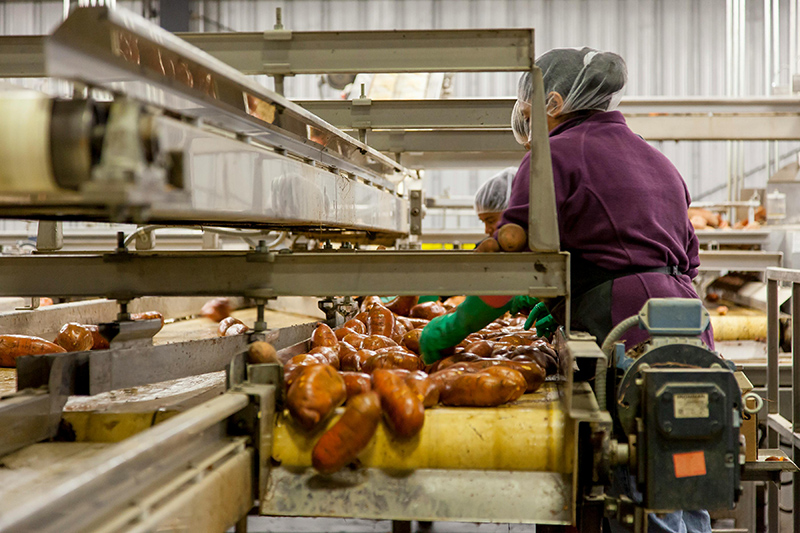
Raw Produce Washing/Sanitizing: Used in flumes, wash tanks, and spray systems for fruits, vegetables, and seafood. It effectively reduces microbial load on surfaces, extending shelf life and improving safety.
Equipment and Surface Sanitation: Ozonated water serves as a potent sanitizing rinse for food contact surfaces (conveyors, cutting boards, utensils, tanks), processing equipment, and non-food contact surfaces.
CIP (Clean-in-Place) Systems: Integrated into CIP cycles to enhance the sanitizing efficacy of wash and rinse waters.
Gaseous Ozone:
Cold Storage Atmosphere Treatment: Low levels of gaseous ozone in cold rooms or controlled atmosphere storage can suppress mold and yeast growth on stored products like fruits, vegetables, cheese, and eggs, reducing spoilage.
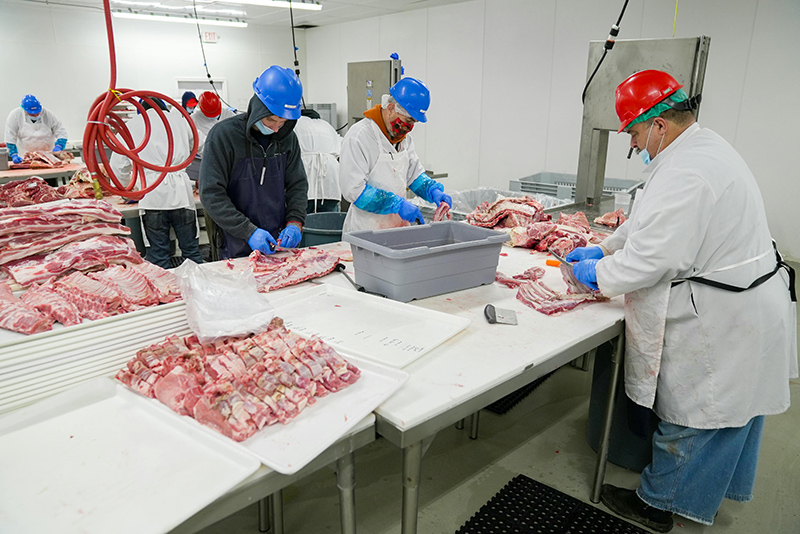
Surface Decontamination: Applied to treat the surface of products like meats or cheeses post-processing, or for sanitizing packaging materials (trays, containers) prior to filling.
Air Purification: Continuously treating the air within processing and packaging areas reduces airborne microbes and controls odors, contributing to overall environmental hygiene.
Process Water Treatment:
Ozone effectively disinfects recycled process water (e.g., in flume systems for produce), reducing the risk of cross-contamination and allowing for safer water reuse.
It can treat final rinse water to ensure it meets stringent microbial standards.
Advantages Driving Adoption
Potent Efficacy: Broad-spectrum antimicrobial activity at relatively low concentrations and contact times.
Residue-Free: Decomposes rapidly to oxygen, leaving no harmful chemical residues on food products or processing surfaces. This aligns with consumer demand for "clean label" processing aids.
Reduced Water Usage: Enables safer reuse of process water through effective disinfection.
Extended Shelf Life: By reducing initial microbial load and suppressing spoilage organisms, ozone helps maintain product freshness longer.
Environmental Friendliness: On-site generation eliminates the need for storage and transportation of hazardous chemicals. The only inputs are oxygen (or air) and electricity. Byproducts are oxygen and potentially oxidized harmless compounds.
Odor Control: Effectively neutralizes unpleasant odors inherent to many food processing operations.
Critical Considerations for Implementation
While powerful, ozone requires careful handling and system design:
Material Compatibility: Ozone is highly corrosive. Processing equipment, piping, gaskets, and sensors must be constructed from ozone-resistant materials (e.g., specific grades of stainless steel 316L, titanium, PVDF, Teflon, certain epoxies).
Worker Safety: Gaseous ozone is a respiratory irritant at low concentrations and toxic at higher levels. Robust ventilation, continuous ozone monitoring systems, and strict safety protocols are essential to protect personnel. Exposure limits set by regulatory bodies (like OSHA) must be strictly adhered to.
Process Control: Precise control of ozone concentration, contact time, temperature, and humidity is crucial for consistent efficacy and to prevent potential quality degradation (e.g., oxidation of delicate fats or pigments if misapplied).
Regulatory Compliance: Ozone's approval status for direct food contact applications varies by country and specific use case (e.g., USDA, FDA in the US; EFSA in Europe). It is essential to comply fully with all relevant local and international regulations.
Capital and Operational Costs: Installation of ozone generation and delivery systems requires investment. Operational costs include electricity for generation and maintaining the system.
Conclusion
Ozone technology represents a valuable asset in the modern food processor's toolkit for enhancing safety and quality. Its potent oxidizing power, broad antimicrobial efficacy, and lack of persistent chemical residues make it particularly attractive. However, its successful integration demands a thorough understanding of its properties, careful system design using compatible materials, stringent adherence to safety protocols for personnel, and unwavering compliance with regulatory requirements. When implemented correctly, ozone offers a powerful, sustainable, and residue-free approach to safeguarding food from farm to fork.